

Welcome to the ever-evolving world of brand marketing, where the traditional moulds of masculinity are being reshaped for a more inclusive era. As society’s understanding of gender broadens, brands have begun to steer away from one-dimensional masculine stereotypes and are embracing a more holistic portrayal of manhood. This shift not only reflects societal changes but also addresses the diverse identities of modern consumers. Through inclusive marketing, modern brands are breaking down the traditional standards of masculinity, offering a new vision that celebrates all facets of male identity. In this article, we will explore how brands are redefining what it means to be masculine in today’s world.
Traditional Depiction of Masculinity.
Historically, masculinity has been portrayed by attributes such as toughness, stoicism, dominance, and physical strength. In advertising, these traits have often been translated into images of rugged men who are seemingly impervious to emotional or physical pain. These portrayals were not only prevalent in the media but were also reflected in product marketing from tools and cars to drinks and clothing. The relentless reinforcement of these characteristics has, over the years, has set the standard of what it meant to be masculine and often excluded other expressions of male identity.
Impact of Traditional Gender Norms on Brand Messaging.
Traditional gender norms have significantly influenced brand messaging, leading to marketing strategies that cater largely to stereotypical male and female roles. Brands traditionally portrayed men in scenarios emphasizing strength and control, often depicted as powerful executives or fearless athletes. These portrayals, intended to resonate with a perceived male psyche, not only perpetuated narrow ideals but also sidelined a vast array of emotions and roles men occupy in real life.
We believe that this gender stereotyping in marketing is now in flux. A view supported by a recent Red C study into Masculinity in marketing:
“What is loud & clear though is that masculinity as a term & indeed a feeling is in flux. The move from a ‘traditional’ to ‘modern’ man and their associated values are changing and this causes a tension – one respondent surmised this perfectly by saying You’re expected to be non-sensitive and stoic yet at the same time, also express your feelings.”
The Rise of Inclusive Marketing.
Definition: Inclusive Marketing refers to strategies that recognise a diverse audience, showcasing a spectrum of identities and experiences within broader consumer demographics. This approach not only acknowledges but also values variations in race, gender, sexuality, and other identity markers.
For masculinity specifically, it means depicting a range of male experiences and characteristics that move beyond the traditional stereotypes that we have already discussed and offers a more comprehensive view of what it means to be a man today.
The Importance of Inclusive Marketing in Challenging Stereotypes.
Inclusive marketing plays a pivotal role in disrupting long-standing gender stereotypes by promoting a broader, more nuanced understanding of masculinity. Brands employing this strategy actively challenge the status quo by:
– Showcasing men in varied roles and contexts: including caregiving and domestic environments, which are typically reserved for women in traditional advertising.
– Highlighting emotional depth and vulnerability in men: directly countering the stoic, unemotional male archetype.
These efforts not only reflect a shift towards social responsibility in marketing but also align closely with evolving consumer expectations. Younger generations in particular, favour brands that demonstrate awareness and sensitivity towards social and cultural dynamics. By moving away from these rigid traditional gender molds, brands are not just broadening their market reach but are also playing a crucial role in shaping a more inclusive society.
Modern Brands Embracing Inclusive Marketing.
Today’s forward-thinking marketeers are are stepping away from traditional gender norms and strategically incorporating inclusive marketing that speaks to a broader audience.
“The Best Men Can Be”, Gillette.

Launched in January 2019, Gillette’s “The Best Men Can Be” campaign marked a significant shift in addressing masculinity in advertising. A play on the brand’s long-standing tagline, “The Best A Man Can Get,” the campaign sought to challenge the stereotypes and expectations of what it means to be a man. At the heart of this initiative was a short film that highlighted various forms of toxic masculinity, including bullying, sexism, and aggression and posed the question, “Is this the best a man can get?” The campaign encouraged men to hold each other accountable and to set better examples for the next generation.
The response to the campaign was polarised but powerful. It sparked a broad conversation about the role of men in society and how they are portrayed in the media. It also emphasised the need for men to engage in combating negative behaviours that have long been normalised. This discussion led to considerable media coverage and public debate, demonstrating the campaign’s true impact in bringing attention to critical societal issues.
How Gillette tackled toxic masculinity in their advertising.
Gillette took a bold and direct approach to showcasing examples of toxic masculinity. By using real-life scenarios and contemporary issues in their creative, the campaign addressed behaviours typically excused as “boys will be boys.” Gillette’s strategy involved not just pointing out the problems but also promoting positive behaviors that men could adopt, such as intervening in situations of bullying and showing emotional support for one another in ways that defy traditional stoic masculinity.
This approach was not without risk. The backlash was swift from some segments of their consumer base, who felt attacked by the brand that had for so long celebrated a more traditional view of masculinity. Despite the controversy, Gillette’s campaign succeeded in generating significant dialogue about masculinity, and ultimately aligning the brand with a more progressive, thoughtful approach to understanding gender roles. Importantly, it also signaled to other companies the value and impact of taking a stand on social issues, even at the risk of initial pushback.
“Is it okay for guys…’, Lynx.
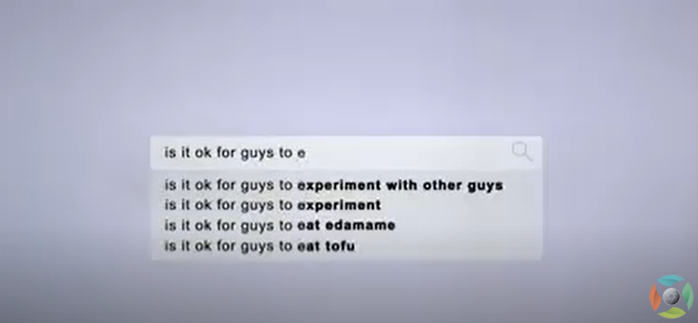
Lynx (also known as Axe) is another good example. It had a history of using sexual objectification in its advertising for men’s personal grooming products.
But in the early 2010’s, the brand looked to reform its image with campaigns which challenged narrow notions of masculinity; the ‘Find Your Magic’ and #IsItokforGuys campaigns aired the private struggles men experience with the pressure to “be a man”.
This change in direction came as a response to the changing perceptions of masculinity in society. Instead of reinforcing the stereotypical images of machismo, the campaign highlighted diverse, inclusive representations of what it means to be a man today. The content series included adverts and digital content featuring men in roles that defy traditional stereotypes—caring fathers, expressive artists, and emotionally open individuals. Particularly striking was the promotion that emotional vulnerability and open communication are strengths and not weaknesses, in a man’s character.
This campaign was of course a risk for Lynx. It was a dramatic shift from their traditional ads, but it also brought about some key transformations for the brand:
– Increased Brand Appeal Among Women and Men: By advocating for a broader, more inclusive definition of masculinity, Lynx was able to expand its appeal to women who appreciated the progressive portrayal of men, as well as to men who felt alienated by the traditional macho stereotypes
– Market Expansion: The refreshing take on masculinity opened new market opportunities with products that emphasised self-care over mere function. This included a wider range of grooming products tailored to men.
Lynx’s “Is it Okay for Guys” campaign acted as another pivotal example of how challenging traditional masculine ideals can rejuvenate a brand and connect with audiences on a deeper, more meaningful level. It underscores the importance of brands adapting to societal shifts and redefining themselves to stay relevant and impactful in an inclusive marketplace.
Potential Challenges.
While the move toward redefining masculinity in advertising has its merits, it also poses some challenges for brands. One major consideration is the potential backlash from traditional consumer segments who may view the shift as a departure from valued norms or as an attack on their identity.
This can result in brand alienation and a dip in loyalty among these consumer groups. Additionally, there is the challenge of authenticity. Brands need to genuinely understand and represent the diverse consumer identities they aim to market to avoid being seen as opportunistic or pandering. This requires true organisational ‘buy in’ and a thorough, data-led understanding of your unique customer. Only then, will you be setting your brand up for success.
Final thoughts.
As brand marketing continues to evolve, the portrayal of masculinity will continue to refine itself to align more closely with the progressive attitudes shaping our society. Traditional stereotypes are being dismantled in favour of a broader, more inclusive representation.
Marketers will increasingly focus on authenticity and emotional engagement, reflecting the diverse identities and experiences of all men. The most forward-thinking brands will be those that embrace this complexity, recognising that the future of masculinity in marketing is not about diminishing classic traits but rather expanding the narrative to speak universally to all facets of the male experience.